By Owen Quinn author of the Time Warriors and Zombie Blues
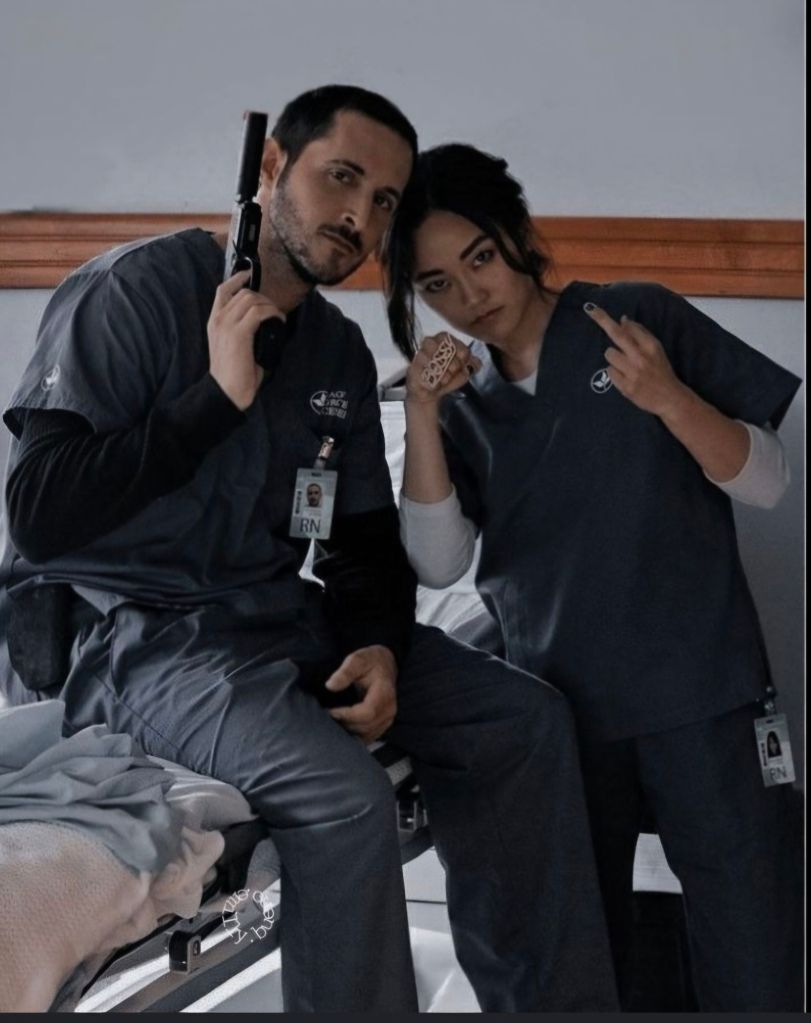
❗Rico’s Roughnecks! We are delighted to welcome back to Ireland (and to DCC this August!), Casper Van Dien!❗
Casper is best known to us as Johnny Rico in Starship Troopers, Tarzan and the Lost City, Sleepy Hollow.
Casper has starred in over 60 films and television projects. Some of his credits include “Chasing Destiny”with Lauren Graham & Christopher Lloyd, “Modern Vampires” with Kim Cattrall & Rod Steiger, “Thrill Seekers” with Catherine Bell & Martin Sheen, “Personal Effects” with Penelope Ann Miller, “Officer Down”with Sherilyn Fenn, “Big Spender” with Graham Green, “James Dean: Live Fast Die Young” with Robert Mitchum, “The Curse of King Tut’s Tomb” for Hallmark Entertainment and the surprise independent hit “The Omega Code” and of course the role of Amok in the cyberpunk action movie ALITA: BATTLE ANGEL.
📸Group photos with all 3 SST guests (maybe even with our lifesize Arachnid Bug!) are now live!
By Owen Quinn author of the Time Warriors and Zombie Blues
Dina Meyer is a film and television actress best known for her roles as Barbara Gordon in Birds of Prey, (for you horror fans) Detective Allison Kerry in the Saw franchise and of course Dizzy Flores in Starship Troopers!
Meyer has made several guest appearances on Friends, Six Feet Under, and Ally McBeal to name a few. Her additional guest star roles include Criminal Minds, Castle, The Mentalist, Burn Notice, and Nip/Tuck. She has also recurred on FOX’s Miss Match, ABC’s Scoundrels, CW’s 90210, CBS’s CSI, and NCIS.
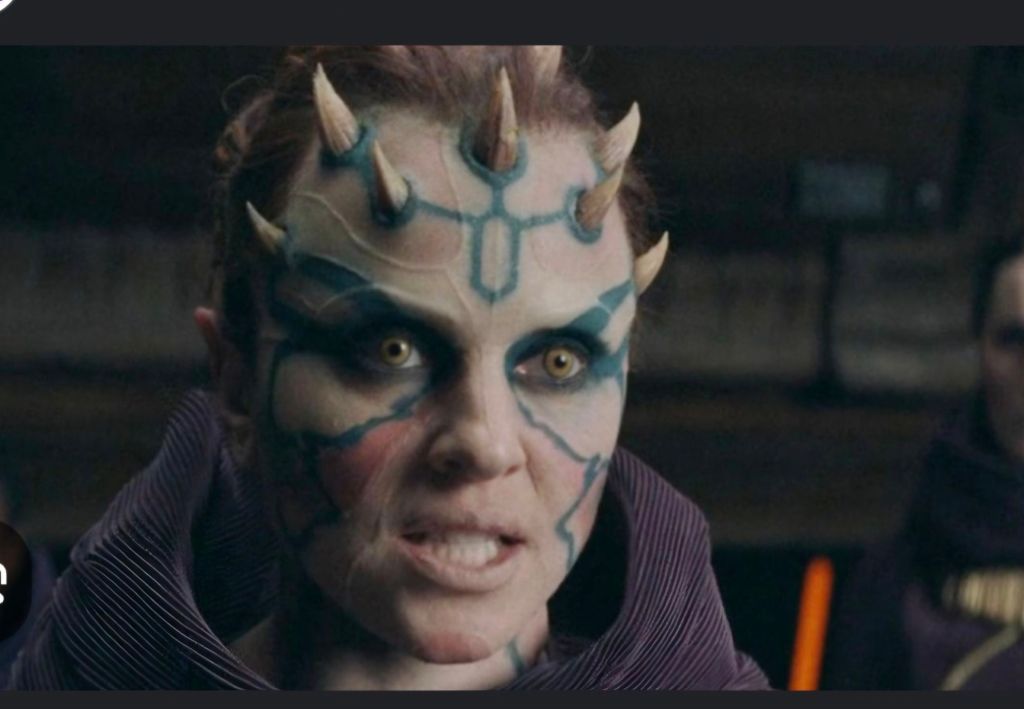
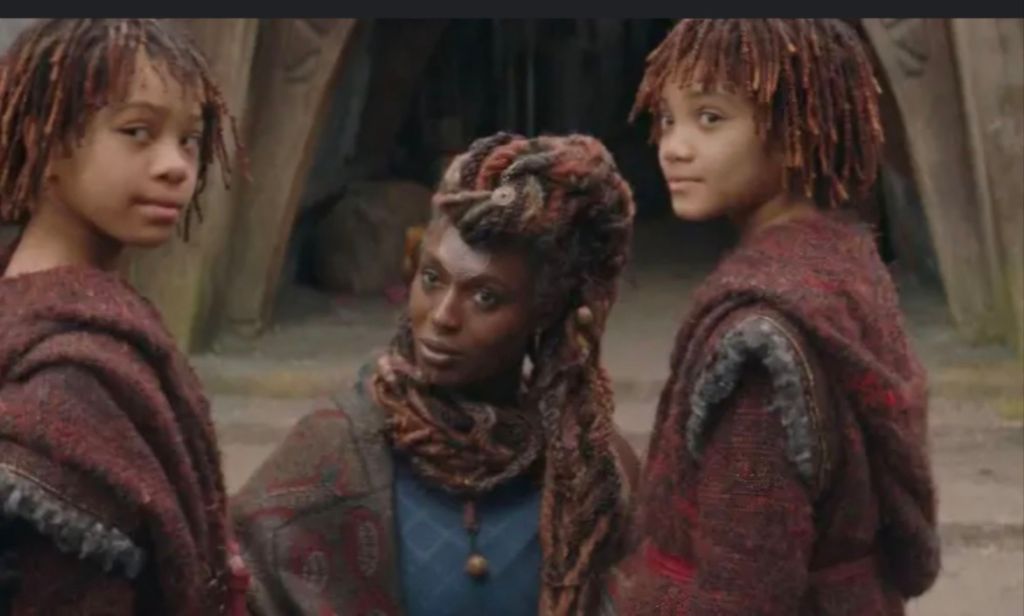
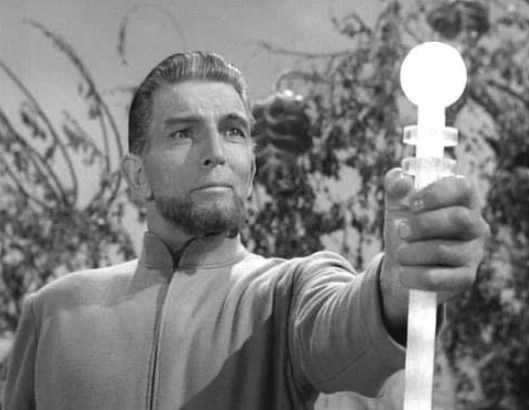
It is with great excitement that the Time Warriors can announce that Dublin Comic Con will welcome V the Mini Series star Michael ironside this summer on the 24th and 25th August 2024.
This is a rare appearance for Michael and a huge treat for Irish fans. I have always been a huge fan of V and getting Ham’s autograph will be the jewel in the crown of my collection.
The Canadian actor has had a long and varied career and appeared in Space Hunter Adventures in the Forbidden Zone, took over from Roy Schneider as captain of the Seaquest, Starship Troopers, Terror in the Aisles, Watchers, The Alphabet Killer and voice over work in animated New Batman Adventures and so much more.
Along with Frank Miller, Kate Mulgrew and Robert Picardo, this is going to be epic. Get your tickets now!
By Owen Quinn disabled author of the Time Warriors and Zombie Blues
ME IN MY WHEELCHAIR PRAYING SANTA DOESN’T THINK I’M EVIL LIKE DAVROS!
Definition of disability under the Equality Act 2010 (does not apply to Northern Ireland)
You’re disabled under the Equality Act 2010 if you have a physical or mental impairment that has a ‘substantial’ and ‘long-term’ negative effect on your ability to do normal daily activities.
What ‘substantial’ and ‘long-term’ mean
‘substantial’ is more than minor or trivial, eg it takes much longer than it usually would to complete a daily task like getting dressed
‘long-term’ means 12 months or more, eg a breathing condition that develops as a result of a lung infection
A progressive condition is one that gets worse over time. People with progressive conditions can be classed as disabled.
However, you automatically meet the disability definition under the Equality Act 2010 from the day you’re diagnosed with HIV infection, cancer or multiple sclerosis.
Before writing this article, which was prompted by how Russell T Davies’ changed Davros into a two legged Grand Moff Tarkin clone, it is important to understand that I am in a wheelchair (when I am not using my prosthetic leg) and what the definition of disabled actual means. I became an amputee a little under a year ago, adjusting to this new condition over that time, only to watch Davros grow legs just so people like me don’t associate evil with wheelchairs or be seen to be evil because someone may mistake me for Davros; which is utter pedigree nonsense. My wheelchair nor my disability define me so how dare someone else define people like me. How can someone as groundbreaking as Russell T Davies think that even makes sense? Shall we get rid of small moustaches and side shades for people with black hair in case someone mistakes them for Hitler? That may seem absurd but the illogical logic is the same.
There has been a rising bad feeling about this new Russell T Davies era of Doctor Who. He has been gender slapped in The Star Beast by Rose for assuming the Meep’s gender, yet five minutes earlier Rose did exactly that when she cried out upon seeing the Doctor in her home, ‘there’s that man’. Assumption much?
I smell a double standard right there. It happened again when Donna calls him a male presenting Time Lord. The jury is still out on the fifteenth Doctor with many seeing the influence of the mouse behind the scenes with things like wheelchair access to the Tardis, a person in a wheelchair working for UNIT with weapons in said chair.
Also Isaac Newton was played by a man of colour going against historical fact that he is indeed white. I am wholeheartedly behind inclusion as you see in my books the Time Warriors and Zombie Blues. The human race is a diverse multicultural organism and while the whole world is mad at the moment we all love, hate, bleed red, cry, feel out of place, piss and shit. We look different on the outside but the human race is identical all over the world in our hearts and feelings but historical fact is historical fact.
Doctor Who began life as an educational programme so it must continue to be to a certain degree but to randomly use inclusion for the wrong reasons makes no sense. It feels like programme makers of today are falling over themselves to be seen as inclusive and woke for fear of offending someone somewhere to the point it seems facts are irrelevant.
Now that does not really impact my life but the disability part does. I wrote my review of Children In Need; Destination Skaro thinking it was set at a time just before Davros’ accident. It would be pointless bringing out the iconic Davros we know (due to cost) for only a minute or so of screen time. But I was wrong. In the Doctor Who Unleashed episode Russell T Davies caught me off guard and said this.
“Time and society and culture and taste has moved on and there’s a problem with the Davros of old in that he is a wheelchair user who is evil. And I had problems with that and a lot of us on the production team had problems with that, associating evil with disability. And trust me there is a very long tradition of this. I’m not blaming people in the past at all. But the world changes then Doctor Who has to change as well. So we made the choice to bring back Davros without the facial scarring and his wheelchair or his support unit which functions as a wheelchair. I say this is how we see Davros now. This is what he looks like. This is 2023. This is ours lens. This is our eye. Things used to be black and white. they are not in black and white anymore. And Davros used to look like that and he looks like this now. And that we are absolutely standing by. I think because it’s Children In Need night. It’s a night where issues of disability or otherness or being excluded from society come right to the front of the conversation so of all the nights to make this change it was absolutely vital to do this and I’m very, very, very proud of the fact we have.”
My initial excitement at this new second golden era hit a wall right there. I’m not proud of that at all.
Ok so let me point something out. A wheelchair is not a support unit by any means in the way Davros Dalek half is. This stupidity is also done in The Giggle when Donna tells Mel tat calling themselves companions makes them sound like they park the Doctor on the seafront at Weston uper Mare. She then looks to scientific adviser wheelchair user Shirley and asks is ‘parked’ rude. Shirley says it is borderline. No it bloody isn’t, We park our wheelchairs when not in motion so to even suggest this by using a disabled character is insulting ; that offends me.
This is again an example of what happens when able bodied people who haven’t asked an actual person in a wheelchair their opinion. It is then translated to the audience that this is what disabled people think too. Believe me, it is far from the truth.
Now in the far future we may have mobile support units that regulate the person, filled with circuitry and weapons but we live right here, right now. If I get hit by a car while in my chair, I ain’t coming back unlike Davros in Destiny of the Daleks. The support unit saves him and puts him in stasis. Lumic was scarier but he was a man trying to beat death.
So the Doctor Who team are acting from their own assumptions and labels of what being disabled means to someone and the devices we use to live day by day. Secondly, he states that they got rid of the facial scarring before bringing Davros back. How does that make people with such injuries feel? If Davies thinks it is fine to brush away someone with extensive scars for fear of them being identified as evil by the world then someone really needs go away and think about their lens and eyes. What Davies and the team have effectively done is say people with facial disfigurement or in a wheelchair can’t be seen as bad. Aren’t people good and bad despite what they look like? Haven’t they just drawn more attention to people with scarring and not necessarily in a good way? How does this encourage people to embrace this idea which is clearly trying to justify a world that does not exist and an ideology that thinks people cannot think for themselves or form their own opinions?
Add to that Davros will no longer be disabled but a Grand Moff Tarkin type as seen in the Children In Need mini-episode and I have a problem about that. Wipe out an iconic villain because it may offend? Who is it offending because it doesn’t offend this disabled person or anyone else I know. Indeed at a recent podiatry appointment I was told that several other patients felt they had lost their representation due to the Davros reinvention. As for disability being associated with evil is just bollocks. Yes villains are sometimes but not always disabled; scars do not count as a disability. Russell T Davies in the behind the scenes show Doctor Who unleashed has been very vocal that this is why Davros now walks on two legs but is it him speaking or the mouse?
To come back and claim it is going to be a brand new way of storytelling prepared no one for the fact woke has taken away probably the most iconic villain to have ever graced the screens. Such was the initial impact of Davros on fans that he came back several times and crossed generations last seen battling the twelfth Doctor. As Davies says writing changes which is true but to have an agenda seriously change the nature of the show and rewrite the past is outrageous. You might as well tip me out of my wheelchair and kick me in the balls right now. In fact wheel me off a mountain in case anyone is offended by my one leg and two wheels.
Changing Davros is totally contradicting what Davies thinks he is doing. For someone that does love the show so much and it’s a part of his soul, it is not clear if he is acting under orders here from the Disney side or not. Let’s look at it.
According to Davies and this new woke bollocks, Davros’ image reminds us that disability is evil. So what do I do with my 12 inch Davros figure and my other Davros figures. I’d better get rid quick because everytime I look at them I see how evil I and others like me are. Let’s point out that the bottom half of Davros is not a wheelchair but a Dalek. It is a life support system to keep him alive. By this very logic this means that every Dalek is also disabled and a painful reminder that an entire army of mutated beings in wheelchairs are the absolute evil. There is no good in them at all (bar a couple of exceptions like Rusty) and will give viewers the wrong impression of us wheelchair users. So therefore Davies must convert all future Daleks into versions of Dalek Sec from Daleks Take Manhattan. That way disability will not cloud anyone’s view of disabled people who are all good and kind people.
Rubbish.
Just like any section of the populace you have good and bad. There are no disabled James Bond villains, bar Dr No with his metallic hands. As I said before, scars do not constitute a disability. They impact the person’s view of how they see themselves much in the same way a birthmark on the face can make an individual feel uncomfortable. But those that love them see the person not the birthmark or the injury. Are we now to only see wheelchair users as good guys? I’ll let you into a little secret; when I am in my wheelchair, when I cannot use my prosthetic leg, I pretend I am Davros and have a laugh. “Welcome to my new empire Doctor!”
I’m 55 years young.
How is that detrimental to me or those around me? Our kids see me as great craic because they get to push me round and the youngest sits on my lap like a chauffeur driven limo. Am I missing the evil connotations here Russell? Thank God the world will now be filled with wheelchair and disabled heroes and legends. Oh wait, it already is.
Let’s not forget that Professor X from the X-Men is probably the most famous disabled person for kids to look up to out there. Matt Murdoch as Daredevil is blind. Echo is an amputee so is Luke Skywalker with his hand. Echo is a great ecample of diversity and inclusion done right. Norton Drake in the 80s War of the Worlds television series is wheelchair bound as is Barbara Gordon shot by the Joker becoming Oracle in Birds of Prey. Winter Soldier and Nebula have prosthetics as does War Machine to help him walk. Did you know Hawkeye wears a hearing aid? There are three wheelchair users in that paragraph alone.
We can’t forget the Bionic family which includes Lee Majors, Lindsay Wagner, Sandra Bullock and our very own Michelle Ryan herself plus Katee Sackhoff and Max the bionic dog.
We also have Captain Christopher Pike in Star Trek the original series in the two parter; Menagrie. In the same universe is Geordi La Forge, the blind engineer from Star Trek the Next Generation. Now if you ever want to highlight a disabled character that offends; Geordi is it. Before returning to Picard, Levar Burton raised these concerns. Geordi was written so badly as such a loser with women that he became a literal stalker via the holodeck. Now there are people that do that able-bodied and disabled but Geordi should stand as an example of owning what life has dealt you and making it part of you. With disabled characters show-makers should be treated as anyone else; they have good and bad days, are pissy and welcoming. Sometimes I think writers are not sure of how to write for disabled people but the key word is people.
By labeling us wheelchair users and disabled people as ‘snowflakes’ that need to be patted on the head in case someone compares us to Davros or any other evil character offends big time. That will only make us speak up and tell you were to go. In that assumption without asking our view you are not honouring society but putting us in a pigeon hole that you have made up. Restore the iconic Davros now before you end up erasing a villain that spans generations just as Darth Vader does. Stop creating a false view of people that young viewers will believe until they get older and realise life is completely different. Talk to the people you think are going to take offense and make an informed decision on their advice. Most people will tell you to wise up and leave as is.
Doctor Who has always kept the best interests of children at its core. With moves like this, agendas seem to take priority rather than people in general. We are part of the audience that keeps those ratings up. Piss people off and ratings fall. Wake up, not woke up.
By Owen Quinn author of the Time Warriors and Zombie Blues
Photo copyright BBC
There is a lot riding on this episode given the calibre of the writer.
Former showrunner Steven Moffat (I’m taller tha him you know and a lovely man to chat with) is back to write for the show now run by his old mate Russell T Davies. But does Boom follow the pattern of previous episodes and disappoint?
Damn you can see that Davies and Disney are distant memories in Boom. If this episode had been the season opener the ratings would have been a lot better than they were. Indeed on the back of this maybe Moffat should have been the man to bring back the show for the new era.
We open with two soldiers stumbling across a devastated landscape. They are members of the Anglican Marines whom we first met when they had River Song in custody on a mission against the Weeping Angels. One steps on a landmine and is vaporised while the other, John Vater, who has been blinded in an explosion is treated by a mobile robotic ambulance. It decides four weeks is too long for his injuries to heal to be of value to the war effort. He is given the chance to send one last message to his young daughter before being compressed into a torch like object. It contains an interactive AI of the deceased that will prove critical later. I’ll call it an infostamp as seen in the tenth Doctor story the Next Doctor.
We also meet Vater’s daughter, Splice and soldiers Canto and Mundy Flynn. Kanto and Mundy have a thing for each other while Splice is waiting for her dad to come back. Now here’s the thing; Mundy (Varada Sethu) as we know is to join as a companion in season two and here her introduction to the Doctor and Ruby is fraught to say the least. This is similar to the surprise Clara introduction in Asylum of the Daleks. But that’s the whole tone of this episode. Take nothing for granted.
It is about the horrors and economics of war but as seen through the eyes of the Doctor and Ruby.
When Vater is killed the Tardis materialises and the Doctor runs out to help but he ends up standing on a landmine which we have already seen is lethal. His Time Lord heritage delays the explosion but the tension is palpable. If ever anyone ever had doubts about Ncuti Gatwa as the Doctor Steven Moffat has lain those to rest.
Our fun loving Doctor is suddenly faced with the real possibility of death. He has no gadgets, no special tricks, nothing. He is a man facing his own mortality with only Ruby to help. Ncuti gives a tour de force performance here as the Doctor literally one step from death. The usual fun loving Time Lord is reduced to a terrified, babbling man whose demise will destroy half the planet.
This sudden revelation of the Doctor’s death in this manner will cause such devastation actually ties in with his regeneration energy which we have seen level Trenzalore and destroy the Tardis. That may have confused some viewers and it initially did for me but thankfully I’m a lifelong fan. That’s why all the Easter eggs were a delight even poor Vater telling the ambulance that his vision is impaired, the cry of a Dalek when its eye stalk is compromised as far back as the McCoy era Remembrance of the Daleks and the Doctor telling Splice that he loves fish fingers and custard.
Indeed Ncuti’s performance here brought back shades of Matt Smith for me. That pure rage and anger while trying to keep spirits up opens up this Doctor like never before. His helplessness and terror scare Ruby to an extent but she refuses to do anything he says. She will save him no matter what.
The three storylines converge nicely, each significant to each other. Splice turns up to find her dad along with her protector Mundy as does Canto. Each arrival puts them all in greater danger as the Doctor struggles to control his bopdy functions that will trigger the landmine. Trust is in small supply until the Doctor figures out how to save the day and what is really going on. The war is a fake run by a company to generate profits and the mysterious enemy which may be mist or mud monsters don’t exist at all.
Mundy and her fellow priests have been fighting a one sided war for profit only. Watching her initial distrustful meeting with the frozen Doctor in which she wants to get Splice back to the base with her father’s remains is a beautiful mini journey. Her mission is to keep Splice safe and bring her dad home to her as the infostamp contains his memories and interactive hologram. When she fires on the Doctor and he almost drops the infostamp you jump. Her arc is well done given Canto’s death, her new found role as mother to Splice and taking a chance on this man, whose death will destroy them all, when he challenges her faith against proof is fraught with tension but very well acted.
That’s the strength of this episode; it is believable. I never found anything hard to swallow. It is almost a stage play but also a chance to expand the Ruby mystery and show that travelling with the Doctor is not always a song and dance show. The song here is haunting and beautiful and integral to the action.
War is hell as Mister Ratcliffe tells the Dalek computer in 1963 London and here the stark reality of war is slammed home. Innocent people die in war under the banner of collateral damage or acceptable losses. The true horror of that is lost in a whitewash but here when Ruby is shot by Canto it is brutal and hardhitting, The horror of her body jerking under multiple shots and plunging down the slope like broken doll is horrifying. Moffat killed both Clara and Bill Potts back in the day (remember Bill getting a hole blown in her the size of a basketball before being turned into a Cyberman with the Master#s help?)
Helpless to rush to her side and save the day, The Doctor cries with a feeling of complete uselessness. I don’t think we have seen him experience just how lethal war is before like this. He is stuck in a moment of time helpless while all he cares about falls around him. Could it be that he is seeing those he lost as he stares at Ruby’s broken body? He made a promise to her mother to keep her safe and as failed. Just as he told Rory’s dad that he would bring Amy and Rory back safely, the Doctor’s life may have just claimed another innocent that he was suposed to care for.
When the ambulance decides Ruby’s injuries are too etensive to treat, ssnow begins to fall just as it did before, manifested somehow by Ruby life force fading. There are always options and the Doctor finds a way to save everyone incuding himself when he persuades Mundy to believe him and uses Vater’s infostamp to invade the ambulance’s network. But what does the snow manifestation mean? When Maestro was draining Ruby of her music last week, something was triggered that scared even the Toymaker’s daughter.
Could Ruby be one of the pantheon gods but one that isn’t evil or a meglamaniac? Only a god can scare a god. Is her near death experiences causing her real self to manifest like a butterfly emerging from a caterpillar? When the Doctor opened the veil between realities in Wild Blue Yonder was Ruby a consequence of that act? It would explain why the Doctor looked so nervous doing secret scans of Ruby in the Tardis. It would also explain why he was tracking her in The Church on Ruby Road in the clubs. Could Ruby be the Dark Phoenix of Doctor Who? All this love and attention and hugs may be the Doctor’s way of bringing her to the good side if she does ever emerge. Or was she taken from the baby farm, implanted with a force that will destroy the gods that are coming and left on Earth for the Doctor to find? Is there another force watching out for the Doctor? After all the universe without the Doctor scarcely bears thinking about. Food for thought indeed.
Overall, Boom is pure Doctor Who at its best; a beautiful intimate setting with performances that allow us to really see why Gatwa and Gibon were given this job. I was on the edge of my seat. I had no idea how the Doctor was going to get out of this and despite a slightly happy ever after ending, was a journey of perfect writing. The dialogue is delicious. I would have liked to have seen Ruby and the Doctor impacted as they stood in the Tardis door a bit more like the tenth Doctor was at the end of Midnight. On that occasion the Doctor was as close to death as he is in Boom. I have a feeling that the trauma they both go through is merely a taster for what is to come.
Welome back Steven Moffat; see you again at Christmas.
By Owen Quinn author of the Time Warriors and Zombie Blues
I was recently made aware of just how many movies and television shows the younger generation have never heard of, never mind seen. So to that end, we look back at some characters you really need to see before you kick the bucket.
Monsters work best when they take the familiar and normal everyday things we feel comfortable around and twist them to tap into our primal fears. The Triffids are one such monster. Introduced to the masses in the John Wyndham novel Day of the Triffids, they would spawn a movie and several television adaptations despite the fact the Triffids themselves were peripheral to the novel’s original story.
We know there are flesh eating plants in the wild like the Venus Fly Trap but when we go to sleep at night, we aren’t expecting to find a seven foot one ready to eat us.
What makes the idea of the Triffids so scary is the fact most of the world has been blinded by a meteor shower. As they say the one eyed man is king in the land of the blind but here it is the only way to survive a Trifiid attack. The greatest terror is the one we never knew existed so when the escaped Triffids begin hunting down the blind human populace, the very idea is terrifying. Losing your sight is a terror none of us want to happen. It literally scares us to our very core. But if it did happen at least we have a support network and services to fall back on to cope with this new reality. Not so in the world left in Day of the Triffids. With millions now blind it is impossible to save any one. Stumbling around, blinded and alone, the chilling idea that a giant plant can simply take its time and kill you is something that does make us chill to the very soul.
The origins of the Triffids differ from version to version. In the book, they were genetically modified by the USSR. They escaped into the wild but they produce a high quality oil resulting in cultivation farms across the world. They are capable of moving and are extremely venomous striking their victims with a stinger that lashes from their open pod orifices similar to how lizards feed. Bill Masen is a biologist in the book who survives the being blinded ironically thaanks to a triffid. He is accidentally sprayed by venom in his face but his sight is saved. His eyes are bandaged when the meteors arrive. When he takes them off the following day, the world is in chaos, the worst qualities of man erupt and the Triffids have escaped their farms en masse. While they will eat anything, the devastated human populace is easy pickings for them.
In the movie Bill is a naval officer played by Dallas’ Howard Keel. The 1981 BBC adaptation by John Duttine and 2009 by Dougray Scott. The Triffid origins also changed as it was suggested in the 1981 version that the Triffids came as spores on the meteors and seeded themselves on Earth. In the 2009 version the Triffids retained their oil producing qualities having been discovered by and killed by Bill Masen’s mother. But across all three the Triffids retain their horror. In the movie they are almost like deformed plants, spiky and rotten like autimn trees that pull themselves along with an appendage. One man is stung in the face and seems to almost go into a trance as he is pulled into the Triffid. It’s not clear if they eat the meat directly or release digestive enzymes that dissolve their hapless victims. g.
They are almost silent predators uttering a slurping sound in the movie. The lighthouse battle is one of the most terrifying scenes as they appear resistance to everything and use their long appendages to slash at their prey. With a small space like a lighthouse, it makes the threat more intense. It’s interesting to note that the Triffid on the original movie poster puts me in mind of one of the forms of the Thing in John Carpenter’s remake. Maybe he was paying homage to this version but I digress. The Triffids are in no rush, they don’t speak and in the darkness they herd together. When Bill manages to keep them at bay with an electric fence, they use their intelligence to probe for weak spots in the fence so they can smash it down. When the fence does fall their invasion of the hosue, smashing through the French windows and doors is one of the most memorable sequences in the movie. What makes it so scary is the fact the sanctuary has been taken over by escaped prisoners who have taken the inhabitants and using them for their own base needs. Doctor Who star Carole Ann Ford who played Bettina in the movie is seen being dragged upstairs by a criminal who obviously intends to rape her. Bill is helpless and has to leave them all behind while the Triffids kill everyone in the house. Fire it seems is the only thing that can kill them resulting in a spectacular sight. However as we discover, salt water dissolves them.
In the 1981 television version, the Triffids are redesigned for a new audience. They are like giant flowers at first seemingly at home in hedges and gardens patiently waiting for some unsuspecting human or animal to come its way. Their stingers leave a multilined mark on the skin like they have been clawed causing the victim to fall paralysed where the plant consumes them at its convenience. These Triffids make a clicking sound which is ominous as it could be any animal or bird making the sound. Again the notion of their threat is not even something humanity in general can conceive of making them easy prey. Their bright yellow and orange appearance is to lure people in as they love bright flowers. The first thing we do as a species is sniff them. Only this time you get a stinger in the mouth for your trouble and absorbed.
In the 2009 version, computer generated effects had come into force allowing the development of the Triffids on screen. Now they had roots and tendrils that allowed them to move faster. Two scenes stand out for me. When they attack Bill in a fog shrouded night, they are a formidable foe using heir tendrils to fell prey before spitting venom on them. Joely Richardson’s character of Jo Playton is attacked in an office. The ferociousness of the monster as it rips apart the room to get to her is terrifying making this the most dangerous of all the versions. They can smash through glass to spit their venom like ravenous dogs gunting down their prey.
Maybe it’s time for another reinvention of the Day of the Triffids. Plant monsters are few and far between in sci fi but the Triffids stand out as one of the most terrifying even to this day. Not only are they intelligent, not held back by morals and are driven by hunger.They are not interested in domination. Nature has selected them perhaps to remind humanity that they are not at the top of the food chain and that hubris comes before a very big fall. So the next time you take a notion to sniff a pretty looking flower think twice. You never know.
Now this episode is a big improvement on last week’s season opener Space Babies. I would go so far as to say this was so close to being a classic as you’ll get until either Russell T Davies thought it would be a good idea to end the episode as he did or Disney piped in and told him to do it.
The Devil’s Chord opens in the 1920s when a music tutor is giving a piano lesson to a young boy. He plays something forbidden, the Devil’s Chord which brings forward the Maestro, using the chord to gain entry into our reality. Immediately we get the pronoun thing in our faces which is unnecessary. Keep that out of a show that is a family event and only causes controversy wherever it goes.
Maestro’s entrance is impressive enough without adding that in. However the over the top elements of the performance do not do the character any favours. More on that later. The tutor is a musical genius who never got the big break so is filled with songs the world will never hear. Maestro sucks him him dry killing after revealing the the pupil he was teaching was in fact a harbinger for Maestro. She promptly gets rid of the boy too. Dark stuff that bodes well.
Ruby wants to see the Beatles recording their first album and the Doctor cannot believe he has never done it before. Suitably attired they excitedly cross the iconic zebra crossing on Abbey road. It is clear these two are having fun and certainly their chemistry shines. Their enthusiasm makes you want to go with them to see what happens and it is infectious. You cannot help but smile at their antics.
However they soon learn that something is very wrong as the Beatles and Cilla Black are singing songs that are dull. Upon questioning them they find music has somehow gone from the world. There is no dancing, composing and all the classic hits from both Cilla and the Beatles no longer exist.
When the Doctor asks Ruby to play a tune on the piano to see what happens, it brings forth Maestro from within the piano. Worse still, as she emerges she has the same giggle as the Toymaker. Terrified the Doctor and Ruby run.
Now let’s just address the casting of Jinx Monsoon as the Maestro. I don’t care who plays the role as long as it is the right person. I initially saw clips and thought to myself this was going to be played for laughs by Maestro being OTT. Jinx is a real life drag queen and the BBC did her no service by showing clips that reinforced the stereotypical impression people have of drag queens as being over the top. I thought this was stunt casting to keep in line with inclusion and diversity. Anyone that has read my books, the Time Warriors and Zombie Blues, will know I am a big advocate of of diversity and inclusion where it fits. It cannot be shoehorned in just for the sake of offending or not being accepted. I am an amputee and have discovered just how disabled unfriendly the world is. But I’m not just going to stick a character in a wheelchair in a story for no reason.
So I will say something I honestly didn’t think I would say in this review. Jinx Monsoon was perfect as the Maestro. When she first appeared I thought drop the OTT and just act but when you discover the over the top traits are due to the fact her dad is the Toymaker then it fits in perfectly. He was mad, bad and dangerous to know and so Maestro is too. When Maestro was evil, hunting down her victims there is actually a real tension there and fear telling you that this ginger haired madwoman will have no problem killing you. Jinx is predatory in her expression and movements. Her very eyes burn with malignancy.
Ask the old pensioner that dared play her harpsicord or is it a piano? I’m not sure which. So between murdering a kid, a music tutor and a pensioner, Maestro has no limits. She will take what she wants from whomever she wants. Like her father it is all about me, me, me. The line between outrageous and evil is walked beautifully here but if Maestro had been a regular villain of the week then the over the top moments would have only reinforce a stereotype. Shame on the show if that had happened.
This is seen in what was the best scene of the show where I was genuinely unnerved. Hiding in a cellar, the Doctor uses the sonic to kill sound. Maestro is hunting them for Ruby’s music and the tension is palpable. It reminded me of being stalked by a Weeping Angel and have to say the memory of Space Babies was gone in that moment. The absolute silence and camera work were beautifully done.
We have to acknowledge Ncuti Gatwa’s performance here. He is terrified as the battle with the Toymaker tore his soul apart causing the biregeneration. It took two Doctors to stop him and this time he cannot do it. It shows that his battles leave a scars that he rarely talks but simmer below the surface. This is an unexpected insight to the Doctor’s mind and a sharp contrast to the loving life Doctor we have come to see. Their initial joy at meeting the Beatles at the start of the episode amplifies this. They are trapped like rats in the dark being saved only by the old lady playing her music which Maestro homes in on.
The Doctor’s terror is showcased in a scene that brings back the fourth Doctor’s ghost. When Ruby insists that Maestro does not make a difference the Doctor brings her to the present day where the world is literally ash. Just as the fourth doctor showed Sarah Jane and Laurence Scarman the future devastated Earth if Sutekh isn’t stopped in the Pyramids of Mars, the Doctor shows just how powerful Maestro is and what will happen if she isn’t stopped somehow. It is just as powerful now as when Tom Baker, Elisabeth Sladen and Michael Sheard did it. Beautifully done.
The final battle is almost balletic in nature as the Doctor and Ruby face Maestro down. When Maestro tries to drain Ruby of her musical skills, the music in her is harmful to Maestro indicating that Ruby is so much more and that her being left on the church steps at Christmas has a bigger meaning than we thought. Hearing the Christmas choir made me sit up. It is somehow part of her very being but how? What is it?
If one chord brought Maestro here then the Doctor assumes that another will send her back. And delightfully this time the Doctor fails. He does not find the last key to complete the sequence. Maestro is seemingly safe to take over. I loved the effects of the musical notes solidifying into reality which are key to allowing Paul McCartney and John Lennon to complete the Doctor’s tune and send Maestro back to where she came from. But not before she warns of someone else who has been waiting. Another super being from the Toymaker’s dimension?
My God, I was impressed and expectations subverted so far that I loved this but then I got kicked in the balls so hard I’m still crying.
The musical ending totally destroyed what could have been a classic terrifying story. The fourth wall has been broken before in the first Doctor episode the Fesst of Stephen and when the fourth Doctor wheels a new K9 out at the end of Invasion of Time and smiles into the camera but the wink here is unnecessary. All suspense of belief was gone in that second. I don’t know whether Russell T Davies thought this would be a good idea or if Disney stuck their three fingers in and said they wanted it done but it was awful. This is Doctor Who not Disney Kid’s Club or Glee. The inclusion of this where the Doctor and Ruby dance on a musical zebra crossing and even the Tardis is musically possessed is jumping the shark. Nowhere in Doctor Who history would this fit in. Of course it hid the real twist that Maestro’s boy harbinger was alive and well. Is this the new storytelling that Russell T Davies claims drew him back to the show? Does he not see this is not storytelling but compliance to the money men for the sake of the show? He knows Doctor Who intimately as I do so is he behind closed doors thinking how wrong this was for Who.
I will watch this again because there is so much to love that drips Doctor Who but I’ll stop the second the Doctor says twist. Stephen Moffat has penned next week’s episode Boom so here’s hoping we get a great turn. As for the Devil’s Chord, avoid the musical ending and you will love it.
By Owen Quinn author of the Time Warriors and Zombie Blues
SPOILERS BEWARE!!! SPOILERS BEWARE!!!
So here we go. A brand new series of adventures featuring the 15th Doctor (technically the 16th) and Ruby Sunday in a disappointingly short 8 episode run. So will fans’ fears of woke changing what we love as the mouse watches from the background?
First thing that strikes me is the massive publicity drive this got in America with murals on trains and buses while the people that have kept this show going especially when it was down get a few snippets on social media. Well it isn’t the first time that has happened. Indeed there was no fanfare to announce tht Ncuti Gatwa was the new Doctor. Why not? Russell T Davies has said that the BBC is on its way out so is the attention being focused elsewhere in case the show needs a new home?
Well after this episode I wouldn’t be surprised that this marks the downward spiral leading to the end. I stayed up and watched the midnight showing on BBC iPlayer. The internet the following morning is divided about Space Babies but you can see the younger fans loved it while the RIP Doctor Who wave seems justified in shaking its collective head.
We start off right from the end of The Church on Ruby Road as Ruby boards the Tardis. We get a rundown of Doctor Who history before going back to meet the dinosaurs. To be fair that’s where I would go first. The fears of Martha Jones prove justified as Ruby steps on a butterfly and changes the future. Here comes my first problem.
The Doctor can now bring dead things back to life simply by blowing on them? This restores the timeline and Ruby is human again. Jumping the shark like this grates just like the 13th Doctor’s regeneration where even the clothes changed without explanation. All it would have taken was a line saying it was the Toymaker manipulating the game but no. But even the classic series was guilty of this with the Master’s multiple returns from death (Planet of Fire for example where he burned to death). Also Image of the Fendahl where a locked door mysteriously opens freeing the imprisoned Doctor for no reason. But this is cheating the audience. Don’t treat them like idiots. In my Time Warriors books I go out of my way to ensure plot holes and illogical events don’t happen for the sake of moving the story forward. Normal Joe will roll his eyes while fans will try to weave it all together in fanfiction.
Now the chemistry between the Doctor and Ruby is great. They get on so well and Millie Gibson effortlessly portrays the excitement of stepping aboard a time machine and having all of creation at your feet. But does she have a hidden agenda and does the Doctor really trust her? Not from his actions later on in the episode. As an aside I do like the new title sequence.
Then they land on a space station seemingly in need of repair and on the verge of destruction. There is a monster in the dark and Ruby’s initial awe quickly dissipates. Even the Doctor is uncharacteristically frightened of this creature. Escaping, they find themselves in a baby farm. It may offer a clue as to Ruby’s past as her DNA does not exist anywhere and the image of the babies suspended in liquid is a bit disturbing.
But all this falls apart when they find the bridge where talking babies in prams are running the station. They are scared of the Boogeyman and are delighted their mummy and daddy have come back for them. It is a ludicrous idea but the Doctor and Ruby’s reactions are enjoyable much likethe tenth Doctor and Donna being mistaken as husband and wife. The Doctor can speak baby as we saw with Matt Smith on multiple occasions but here the Doctor can have full blown conversations with them. But they have a secret guardian, Jocelyn, who knows the end is coming for all of them.
The story falls completely and becomes embarassing. When baby Eric goes after the Boogeyman, how does he get into the locker to hide and survive the attack? Again logic is thrown out the window for handiness sake. Nothing can save this episode as we discover the Boogeyman is made out of snot yet the Doctor risks all to save it from death because it is the last of its kind just like him. What? Given half of it is already been sucked into space I suppose the assumption is it will rebuild its legs from more baby snot. Not forgetting of course that the station could not move but then is able to thanks to years of nappies being stored and creating methane gas so the station literally farts its way to the nearest world where they can live.
Russell T Davies is a great writer but even at the Eccleston era there was dumb ideas, farting Slitheens and burping wheelie bins. Space Babies feels like the love child of something you would see on Disney, Rugrats and Look Who’s Talking. Snot monsters is like something from Eerie Indiana (though that was good show).
I sat at one o’clock in the morning and just stared like I’d been slapped in the face. Is this really what they class as new ways of story telling which apparently brought Davies back to the show. Never ever criticise The Twin Dilemma again folks. As a fan and a lifelong fan who knows what he is talking about, this is Doctor Who at the lowest level. Like the stockpiled dirty nappies, it was a pile of shit.
It baffles me that this would have been passed as a televised story never mind a season opener. This zany idea just does not work at all.
The only part that made me sit up was the Doctor being caught up in the memory of the night Ruby was left at the church. This time the mysterious woman has vivid red nails almost talon like. Now remember that the person that took the Toymaker’s gold tooth also had red nail varnish and in the Devil’s Chord the villain also has nails like this. Is there a connection? Gatwa keeps his Doctor fluid almost as if he has too many moods going on and he is almost mentally hyperventilating at this new life free from past guilts. When he tells Ruby he will never take her back to the night she was left at the church to find out who her mother is there is a real tension between them. I’m not altogether sure if Ruby isn’t annoyed at this and says she was going to ask him to take her back to her real mother, Carla, the only mother she has ever known.
The ghost of Matt Smith rears his head as the Doctor drops the fun loving facade and uses the Tardis to scan Ruby just as he once did with Clara, the Impossible Girl. There is the hint of fear in his performance at what she may be so is that why he invited her to travel with him? is this a case of keep your enemies close? Is this excitable Doctor not as happy and trusting as he seems?
Is the shadow of the seventh Doctor right in front of us as the master manipulator and keeping Ace close as he recognised she was part of a greater threat? While this is a new Doctor, he certainly has shades of his past selves.
Performance wise, a great Tardis team but mired in a script so bad that it needs to go into the bin. I bet in years to come the baby actors will be signing at conventions. On to the Devil’s Chord please and let’s hope things are on the up.
By Owen Quinn author of the Time Warriros and Zombie Blues
Photos copyright 20th century Fox
I was recently made aware of just how many movies and television shows the younger generation have never heard of, never mind seen. So to that end, we look back at some characters you really need to see before you kick the bucket.
Despite it being over fifty years since the release of the very first Planet of the Apes movie, there are only two names eternally synonymous with the series even with the recent remakes; Charlton Heston and Roddy McDowall. Although Mister Heston appeared in the first two, McDowall would not only do four movies but the short lived television series too. He was absent from the role of Cornelius in the second movie, Beneath the Planet of the Apes but played three characters in total. He would become the face of the franchise making all sorts of appearances including the Carol Burnett show as Cornelius placing him firmly in pop culture status.
Just from this clip alone you see that only McDowall was born to play Cornelius. He understood the character imbuing him with traits such as the nose twitch and jaw movement. The slight hunch, how he walked and held his body were perfect. Although Cornelius appeared in the second movie, Beneath the Planet of the Apes, he wasn’t played by McDowall and you can tell. Filming clashed with a directorial duty over in Scotland so British American actor David Warson took the role for this movie only. While Kim Hunter returned as his fiesty wife Zira, you could easily tell that this was not McDowall beneath the mask. They had a chemistry that flowed beyond the mask and bounced off each other seamlessly making the audience believe that these two talking apes were in fact a real human couple.
This connection was lost for the sequel. As you see from the above clip, the finishing touch for the character of Cornelius was McDowall’s distinctive voice. Watson did a capable job but too far removed from the performance delivered by McDowall in the original. You can see from the photos that even the body and head shape were very different from that of McDowall’s.
Cornelius was the husband of the strong willed scientist, Zira, who fought for human rights and protested when they were treated as fodder just as animal rights activists sabotaged fox hunts. He was terrified what would happen of the council decided she was too much of a social problem inciting civil unrest. His pleas for her to tread carefully went often unheard such was her passion for uncovering the truth of what has been found out in the Forbidden Zone. As a psychologist and vet she had a keen interest in humans and knew there were was more to them than taught by the Council. Cornelius had found curious artifacts at an archaeological site in the Forbidden Zone which further piqued her interest.
Cornelius preferred to keep his questions internal for fear of the Ministry of Science’s retribution. His discoveries in the Forbidden Zone were actively discouraged by the Minister of Science, orangutan Dr Zaius. He feared that Cornelius would put together the truth about their world; that man once had a successful thriving civilisation until some catastrophe cut them down allowing rhe apes to rise to power. He stood by Zira because he loved her deeply but when Taylor (Heston) and human girl Nova (Linda Harrison) arrived, he tried to get them away from his home in case the gorillas found them. While fascinated by the fact Taylor could talk and confirmed that man was once the superior race, Cornelius must put his scientific curiosity aside to protect him and Zira. Fate has other ideas as Zaius finally reveals the truth about the ape culture and knows what man once had. As we know man detonated nuclear bombs reducing their world to this.
Original Cinema Quad Poster – Movie Film Posters
But Taylor and Nova travelling into the Zone brings ony new troubles for Cornelius and Zira in the second movie Beneath the Planet of the Apes. A second astronaut arrives, John Brent (James Francuscus), looking for Taylor and the others. He soon finds the truth about this world too realising they have flown through a time warp. Now they find themselves on a rescue mission to save Taylor from the clutches of a cult like movement of mutant human surviviors ready to claim their world back by wiping out the apes with bomb. These humans worship a doomsday bomb as their god and easily control others to do their bidding.
McDowall returns as Cornelius in the third movie Escape from Planet of the Apes. Just before the bomb detonates, wiping out the world, Cornelius and Zira escape in Taylor’s spaceship and end up back in present day Earth. At first they are celebrities and live a celebrity lifestyle but forces are gathering that will turn them into hunted fugitives. When the government discovers what the future will bring they decide that Cornelius and Zira must die along with their new born baby Cesar. You cannot help but feel for them that they are living the life hidden from them by the Ministry of Science. It is bountiful and they have been accepted by human society in ways they never dreamed of. You care about the three apes because they were too trusting and should never have revealed what is to come.
With the help of circus owner, the kindly Armando (Fantasy Island and Star Trek’s Khan Ricardo Montalban) they run but are gunned down. We as the audience know how good and kind Zira and Cornelius are and their knowledge could help mankind but in the end xenophobia kicks in. Their murder is shocking and brutal but as we learn in the final scene of the movie their baby Caesar is alive and well ensuring the future will still happen.
While McDowall went on to play Caesar in the following movies and the television show as Galen, there is always something about the spirit of Cirnelius with him when the ape mask goes on. A lot of the success of the franchise lies with Roddy McDowall so when Kingdom of the Planet of the Apes is released, I’m quite sure he will be looking down on his legacy.